Postpartum Rage: Why Am I So Angry?
Postpartum · Mental Health
Postpartum Rage: Why Am I So Angry?
Anger after a baby is often a sign that something needs care, like sleep, support or help with depression or anxiety.
You expected to feel tired after the baby came. Maybe you expected some tears. What you did not expect was the rage: the sudden heat in your chest when your partner chews too loudly, the urge to throw the bottle across the room, the scream you swallow when the baby wakes for the fourth time before midnight. If that sounds familiar, you are not a bad parent, and you are far from alone.
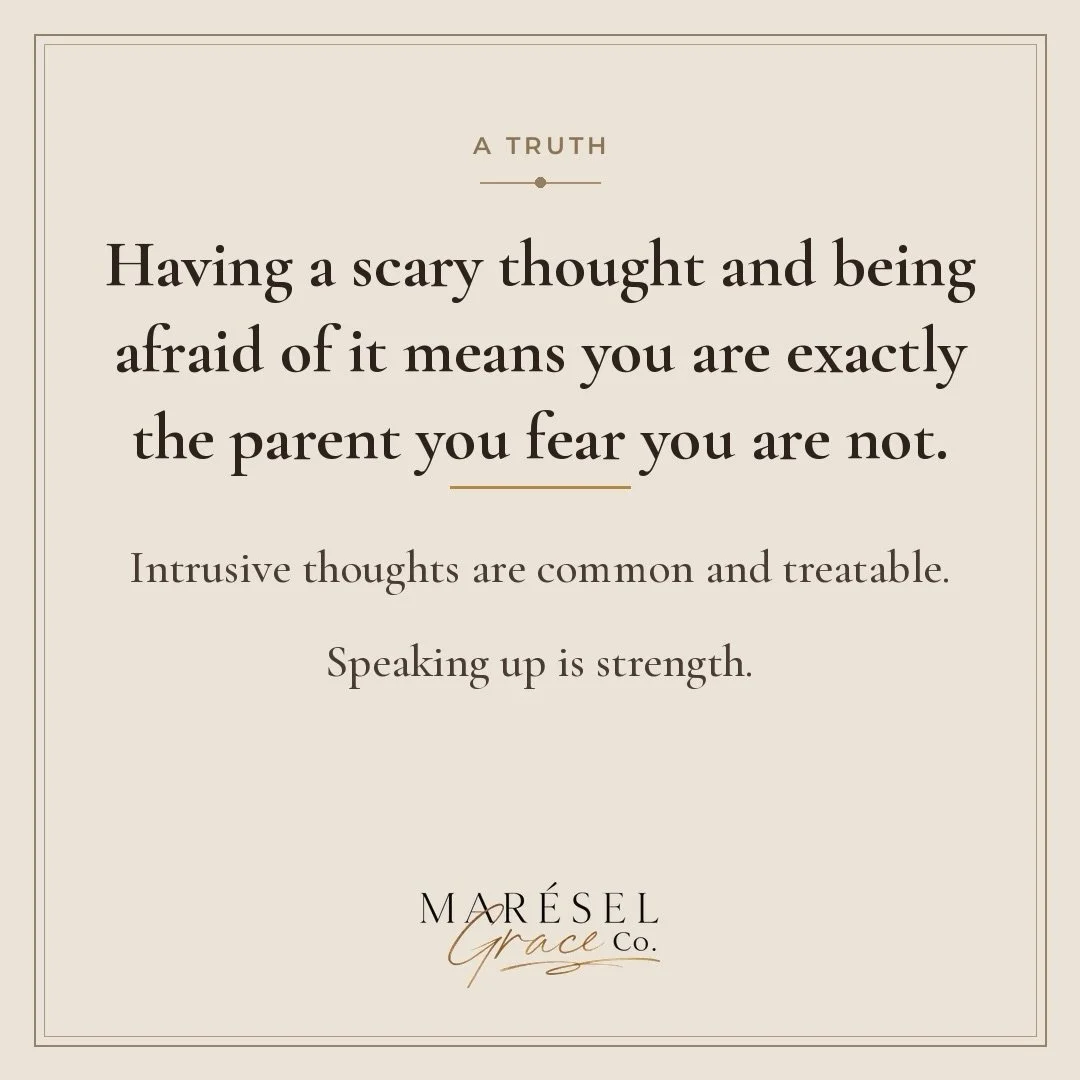
Postpartum rage is one of the least talked about parts of new parenthood. Most of us have heard of postpartum depression, and more people are learning about postpartum anxiety. Anger rarely makes it into the conversation. Parents who feel it tend to keep it hidden, because it is scary and because they are ashamed of it.
That silence makes things worse. When you don't know that rage is a common postpartum experience, it is easy to decide that something is deeply wrong with you. It isn't. Anger is information. It is usually your mind and body saying that something needs attention, and there is a lot you can do about it.
What Postpartum Rage Looks Like
Postpartum rage is not an official diagnosis on its own. It is a term parents and clinicians use for intense anger or irritability after having a baby. For many people it shows up as part of postpartum depression or anxiety, and sometimes it is the most noticeable symptom.
It can look like:
- Snapping at your partner, older kids or pets over small things
- Feeling a surge of fury that seems to come out of nowhere
- Yelling, slamming doors or throwing things (and feeling awful afterward)
- Replaying arguments or resentments over and over in your head
- Feeling like you are always on the edge of exploding
- Intense frustration when the baby won't sleep, eat or stop crying
- Physical signs like a racing heart, clenched jaw, shaking hands or feeling hot
A lot of parents describe feeling like a stranger to themselves. "I've never been an angry person," is something I hear often. "I don't recognize who I'm becoming."
The guilt that follows an outburst can be almost as painful as the anger itself. Many parents get stuck in a loop: rage, shame, exhaustion, and then more rage because they are running on empty.
Why It Happens
There is no single cause of postpartum rage. It usually comes from several things piling up at once.
Hormones
After birth, estrogen and progesterone drop sharply. These hormones affect mood regulation, and the shift can make emotions feel bigger and harder to manage. Hormonal changes also continue while breastfeeding and when periods return, which can bring new waves of irritability.
Sleep deprivation
This is a big one. Sleep loss makes the brain's emotion centers more reactive and weakens the parts of the brain that help us pause and think before we react. Research on sleep deprivation shows that even a few nights of broken sleep make people more irritable and quicker to anger. New parents are often running on months of broken sleep.
Feeling touched out and overstimulated
Holding, feeding, rocking and soothing a baby all day can leave you with no personal space at all. Add a crying baby, a noisy house and a partner who wants a hug, and your nervous system may simply be overloaded. Anger is often the body's way of saying "too much."
An unequal load
Resentment is a close cousin of rage. If you feel like you are carrying most of the night feeds, the appointments, the mental list of what the baby needs, and your partner doesn't seem to notice, that resentment can build until it comes out sideways over something small.
Unmet expectations
Many parents carry a picture of what life with a baby would be like. When reality looks very different, the gap can bring up grief and anger. This is especially true after a hard birth, feeding struggles or a NICU stay, when things did not go the way you hoped.
Depression and anxiety
Irritability and anger are common symptoms of both postpartum depression and anxiety. For some parents, especially those who don't feel "sad," anger is the main sign that a mood disorder is present.
Old wounds
Becoming a parent can stir up your own childhood. If you grew up in a home where anger was loud or scary, or where your feelings were not allowed, some of that can resurface now. Sometimes the intensity of the anger is partly about the past.
When Anger Is a Sign of Something More
Everyone gets frustrated sometimes, and a bit more irritability in the newborn months is normal. It may be time to reach out for support if:
- The anger happens most days, or feels more intense than you can manage
- It has lasted more than two weeks
- It comes with sadness, hopelessness, numbness, constant worry or panic
- You are having trouble sleeping even when you get the chance
- You are pulling away from people or things you used to enjoy
- You are afraid of what you might do when you are angry
If you are worried about safety
If you ever feel like you might hurt yourself, your baby or someone else, put the baby in a safe place like the crib, step away, and call for help right away. You can call or text 988, call the National Maternal Mental Health Hotline at 1-833-852-6262, or call 911. Feeling this way does not make you a bad parent. It means you need support now, and that support exists.
What Helps in the Moment
When the rage hits, you probably can't think your way out of it. The goal in the moment is to calm your body first, then deal with whatever set it off.
- Put the baby down somewhere safe. A crying baby in a crib is safe. It is okay to step out of the room for a few minutes.
- Change your temperature. Splash cool water on your face or hold a cold drink. A quick temperature change can help reset your nervous system.
- Breathe out longer than you breathe in. Try breathing in for a count of four and out for a count of six or seven. Long exhales signal the body that it is safe.
- Move. Shake out your hands, walk around the block, or do a few squats. Anger is energy, and it helps to give it somewhere to go.
- Name it. Saying "I'm really angry right now" out loud, even to yourself, can take a little of the heat out of the feeling.
Afterward, when things have calmed down, it can help to repair with the people involved. A simple "I'm sorry I yelled. I was overwhelmed, and it wasn't about you" goes a long way. Repair is a skill, and practicing it is good for your whole family.
What Helps Over Time
In-the-moment tools are useful, but they work best alongside changes that lower the pressure overall.
Protect your sleep
This is often the most powerful change. Work out a plan with your partner or a helper so you get at least one protected stretch of sleep each night. If you are breastfeeding, a pumped bottle or a partner handling a feed can make that possible.
Share the load more fairly
Sit down with your partner at a calm moment, not in the middle of a fight, and write down everything it takes to run your household and care for the baby. Seeing the full list often helps partners understand what you have been carrying. Then divide it with some thought, including the mental work of remembering and planning.
Build in time that is just yours
Even 20 minutes a day where no one is touching you or needing anything from you can make a difference. Take a walk alone, sit in the car and listen to music, take a long shower with the door locked.
Lower the bar
Many parents feel angry because they are trying to keep up standards that no longer fit their life. Let the laundry pile up. Order takeout. Say no to visitors. Protecting your energy is not laziness.
Get support
Talking to someone can help you understand what is underneath the anger and find ways to handle it that fit your life. Coaching is a good fit when the anger is mostly about overload, boundaries or an unequal load at home. Therapy is the better fit when the anger comes with depression or anxiety, or when it connects to trauma or old patterns from childhood.
For Partners
If your partner is dealing with postpartum rage, it can be confusing and hurtful to be on the receiving end. A few things can help:
- Try not to take every outburst personally. It is often about exhaustion and overload.
- Ask what would help, and then follow through without being reminded.
- Take over a night feed or a morning so they can sleep.
- If you notice signs of depression or anxiety, gently encourage them to get support, and offer to help make it happen.
It is also okay to set limits. You can say, "I want to help you, and I'm not okay being yelled at. Let's take a break and talk when we're both calmer." Both of you deserve support in this season.
You Are Not a Monster
If you have been carrying shame about how angry you have felt, I want you to hear this clearly: you are not a monster, and you are not failing your baby. You are a person under enormous strain, and your anger is trying to tell you something.
With rest, support and sometimes treatment, postpartum rage usually gets much better. Many parents find that once they understand what is driving it, the anger loses some of its grip. You can feel like yourself again.
Anger Feeling Bigger Than You? Let's Talk.
Marésel Grace offers coaching for overwhelmed parents anywhere in the US and therapy for Massachusetts residents. Book a consultation and we will help you figure out what the anger needs.
Book a Consultation