Baby Blues or Postpartum Depression? How to Tell the Difference
Postpartum · Mental Health
Baby Blues or Postpartum Depression? How to Tell the Difference
Tears in the first two weeks are common. Tears that settle in and stay are a signal worth listening to.
A few days after birth, a lot of parents find themselves crying over things that would never have fazed them before: a sweet text from a friend, a diaper commercial, the wrong kind of bread from the grocery store. It can feel enormous. Often it is the baby blues. For many parents, the harder question comes a few weeks later: what if it doesn't lift?
The baby blues and postpartum depression can look a lot alike from the inside, especially at 3am. Both can bring tears, irritability and a sense of being completely overwhelmed. The difference usually comes down to three things: timing, intensity and whether the feelings let up.
I want this post to give you a clear way to think about that difference. I also want to say up front that you do not need to be sure which one you have before you ask for help. Uncertainty is a perfectly good reason to reach out.
What the Baby Blues Are
The baby blues are extremely common. Most estimates say somewhere between 50 and 80 percent of people who give birth go through them. They usually start within the first few days after delivery and fade on their own within about two weeks.
They make a lot of sense when you look at what the body is going through. Estrogen and progesterone drop sharply after birth. Sleep is broken into tiny pieces. Your body is healing, maybe from stitches or surgery, and your whole life has just rearranged itself around a person who communicates only by crying.
Common signs of the baby blues:
- Crying easily, sometimes without knowing why
- Mood swings, from joy to tears in the same hour
- Feeling irritable, anxious or on edge
- Feeling overwhelmed or unsure of yourself
- Trouble sleeping or concentrating
The defining feature is that the blues come in waves. You might sob in the morning and laugh at a silly video by lunch. There are good moments mixed in with the hard ones. Over the first couple of weeks, the good moments usually start to outnumber the hard ones.
What Postpartum Depression Is
Postpartum depression (PPD) is a real, treatable medical condition. It affects roughly 1 in 7 birthing parents, and partners can develop it too. It can start any time in the first year after birth, and sometimes it begins during pregnancy.
PPD is more than a longer case of the blues. It tends to feel heavier and more constant, and it gets in the way of daily life. Some parents describe it as a gray film over everything. Others describe it as feeling like a robot, going through the motions of caring for the baby without feeling much of anything.
Common signs of postpartum depression:
- Feeling sad, empty, hopeless or numb most of the day, most days
- Losing interest in things you used to enjoy
- Feeling disconnected from your baby, or like you are not a "real" parent
- Intense guilt, shame or feeling like a failure
- Changes in appetite, either eating much more or much less
- Trouble sleeping even when you have the chance
- Pulling away from friends and family
- Irritability or anger that feels out of proportion
- Thoughts that your family would be better off without you
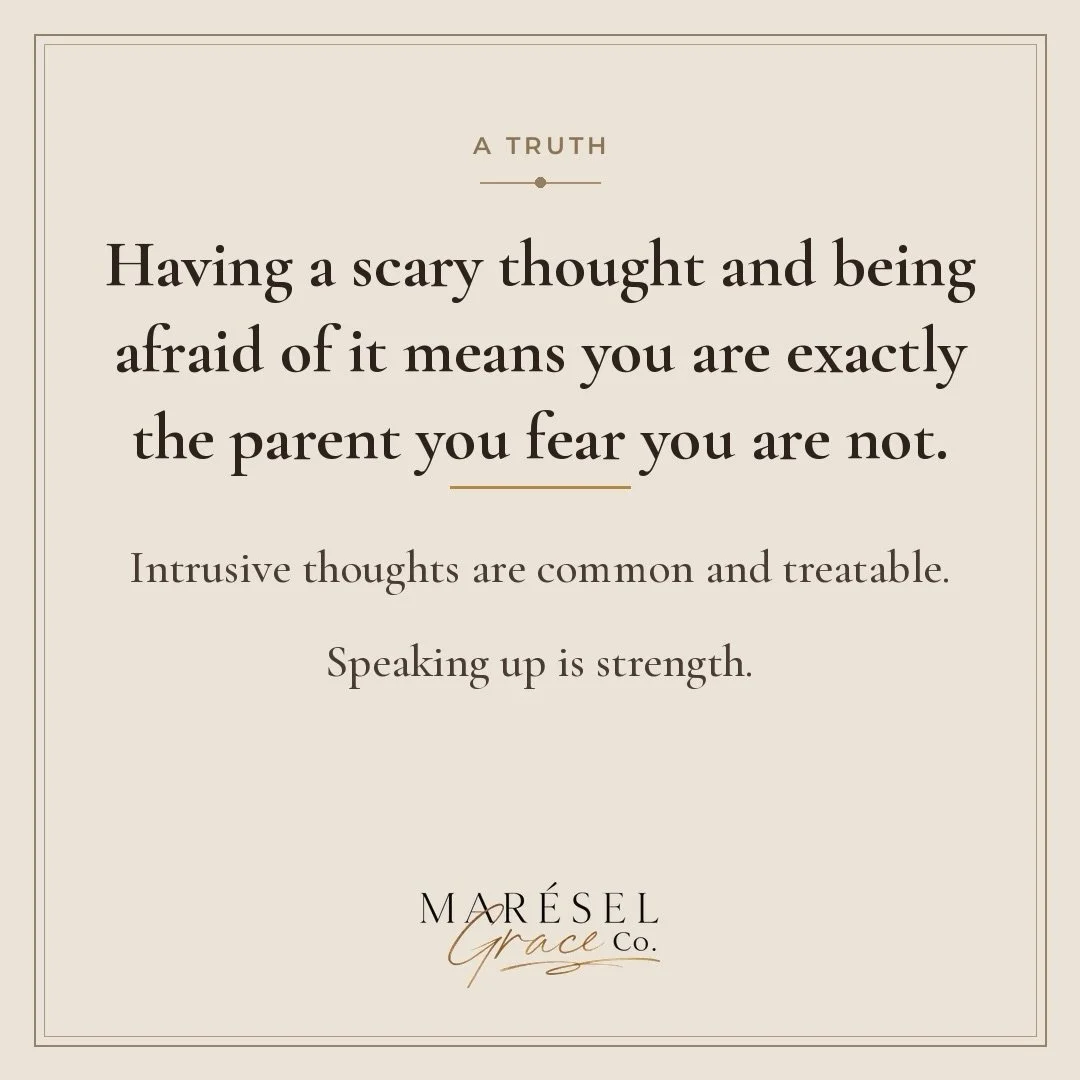
That last one matters. If you are having thoughts of harming yourself, or thoughts that everyone would be better off without you, please reach out today (see the box below). These thoughts are a symptom. They are not the truth about you.
Three Questions That Help Sort It Out
When a parent asks me whether what they are feeling is the blues or something more, I usually walk through three simple questions.
- When did it start, and how long has it lasted? The blues start in the first few days and fade by around two weeks. If you still feel low at three or four weeks postpartum, or the feelings started later, that points toward PPD.
- How strong is it? The blues are uncomfortable. PPD tends to make it hard to function, whether that means eating, sleeping, showering or caring for yourself and your baby.
- Does it let up? With the blues, there are breaks in the clouds. With PPD, the heaviness is there most of the time, even on "good" days.
None of these questions is a diagnosis. They are a starting place. If you answer them and still feel unsure, that is a good time to talk with a professional who can look at the whole picture.
Why It Can Be So Hard to Tell
Parents often tell me they did not realize they had postpartum depression until months later, looking back. There are a few reasons for that.
First, a lot of PPD symptoms overlap with ordinary new-parent life. Everyone is tired. Everyone's appetite is strange. It is easy to write off real symptoms as "just having a newborn."
Second, PPD does not always look like sadness. For some people it shows up mostly as rage, or anxiety, or a flat numbness. If you picture depression as crying in bed all day, you might miss it when it looks like snapping at your partner over the dishwasher.
Third, there is a lot of pressure to be grateful. Many parents, especially those who went through infertility, loss or a hard pregnancy, feel they are not allowed to struggle. I hear "I wanted this baby so badly, how can I feel this way?" more than almost anything else. You can love your baby completely and still have postpartum depression. Both can be true at once.
If you need help right now
If you are having thoughts of harming yourself or your baby, feel confused or out of touch with reality, or have not been able to sleep for days, please get help today. Call or text 988, call the National Maternal Mental Health Hotline at 1-833-852-6262 (available 24/7 in English and Spanish), or call 911. You can also reach Postpartum Support International's helpline at 1-800-944-4773.
What Helps With the Baby Blues
The baby blues usually pass on their own, but that does not mean you have to white-knuckle it. A few things really do make a difference in those first weeks.
- Sleep in protected stretches. Even one four-hour block, with a partner or helper covering a feed, can soften the edges.
- Eat something real. Keep easy food within arm's reach of where you feed the baby. Hunger makes everything feel worse.
- Lower the bar. The house can wait. Thank-you notes can wait. Visitors can wait.
- Say it out loud. Tell your partner, a friend or your provider how you are feeling. Naming it often takes some of the sting out.
- Get outside for a few minutes. Daylight and fresh air help more than it seems like they should.
Keep an eye on the calendar, too. If you are past the two-week mark and not feeling steadier, or things are getting worse instead of better, it is time to check in with someone.
What Helps With Postpartum Depression
Postpartum depression is very treatable. Most parents who get support start to feel better, and many feel better faster than they expected.
Therapy is one of the most effective treatments. Approaches like cognitive behavioral therapy and interpersonal therapy have strong research behind them for postpartum depression. For some parents, medication is also part of the plan, and there are options considered compatible with breastfeeding. That is a conversation to have with your doctor or psychiatric provider.
Support outside of therapy matters too. Coaching can help with the practical pieces that make recovery harder, like dividing night feeds, planning a return to work or setting boundaries with family. Peer support groups, such as those through Postpartum Support International, help a lot of parents feel less alone.
What does not help is waiting it out and hoping. Untreated PPD can last months or longer. The earlier you reach out, the sooner you can start feeling like yourself again.
For Partners: What to Watch For
If you are the partner of someone who just gave birth, you are often the first person to notice something is off. A few signs to pay attention to after the first two weeks:
- They seem flat or withdrawn most of the time
- They say things like "I'm a terrible mother" or "you'd be better off without me"
- They are not sleeping even when the baby sleeps
- They seem afraid to be alone with the baby, or cannot stand to be away from the baby at all
- They have stopped eating or taking care of themselves
If you notice these things, bring it up gently. Try something like, "You seem like you're carrying a lot. I'm worried about you, and I want to help you get some support." Offer to make the call or come to the appointment. Partners can also develop postpartum depression, so check in with yourself too.
You Don't Have to Diagnose Yourself
I want to end where I started. You do not have to know whether this is the baby blues or postpartum depression before you ask for help. You only have to notice that something feels hard and let someone in.
In my work at Marésel Grace, I see parents at every point on this spectrum. Some need a few coaching sessions to get through a rough patch. Some need therapy to climb out of a real depression. Most are relieved to find out that what they are feeling has a name, and that it gets better.
If you are wondering, that is reason enough to reach out.
Wondering If It's More Than the Baby Blues?
Book a consultation and we will help you sort out what you are feeling and what kind of support fits. Therapy is available for Massachusetts residents, and coaching is available anywhere in the US.
Book a Consultation