Matrescence: Why You Feel Like You Lost Yourself in Motherhood
Becoming a mother is a birth of its own.
Nobody warned me that the day I brought my daughter home, I’d also quietly grieve the woman I used to be. I stood in the kitchen at 3 a.m., baby on my chest, and thought: I don’t know who I am anymore. If you’ve felt that too, please hear me: you are not broken, and you are not alone. What you’re feeling has a name.
The Word No One Told You: Matrescence
Matrescence is the process of becoming a mother, the profound physical, hormonal, emotional, and identity transformation that happens when a baby is born. The term was coined by anthropologist Dana Raphael, and researchers compare it to adolescence: a messy, disorienting, whole body developmental stage.
We talk endlessly about the baby’s milestones. We rarely talk about the mother being born alongside them. And that silence is exactly why so many women quietly Google “feeling like you lost yourself in motherhood” at 2 a.m., convinced something is wrong with them.
Nothing is wrong with you. You are growing.
Matrescence vs. Adolescence: The Comparison That Changes Everything
When I first heard matrescence described as “the adolescence of motherhood,” something in my chest finally loosened. Think about what we expect of a teenager: mood swings, an identity in flux, awkwardness, big feelings, a body that’s transforming faster than the mind can keep up. We don’t tell a fifteen year old that something is wrong with her. We understand she’s in between, no longer a child, not yet an adult.
Matrescence is the same. You are no longer only who you were, and not yet fully who you’re becoming. The difference is that adolescence gets years and a whole culture of understanding, while matrescence is expected to resolve itself in a six week checkup. That mismatch, a massive developmental transition crammed into almost no time, with almost no language for it, is a huge part of why the postpartum identity shift feels so destabilizing.
Naming it as a developmental stage, rather than a personal failing, gives you permission to move through it at a human pace.
Why the Identity Shift Feels So Heavy
The postpartum identity shift can feel like whiplash because so much changes at once. Understanding the pieces makes it less frightening:
- Your brain is literally rewiring. Studies show pregnancy reshapes gray matter to help you attune to your baby. That rewiring is powerful, and destabilizing.
- Your roles collide. The employee, the partner, the friend, the daughter, every version of you has to renegotiate space with “mother.”
- Your time is no longer yours. The small rituals that made you you, a slow coffee, a run, a chapter before bed, vanish overnight.
- The culture stays quiet. Instagram shows glowing mothers, not the grief of a former self. That gap makes you feel alone in something nearly universal.
Matrescence Is Not Postpartum Depression, But They Can Overlap
This is important. Matrescence is a normal transition. Postpartum depression and anxiety are treatable medical conditions. You can experience one, the other, or both.
Matrescence tends to feel like ambivalence and grief, love for your baby braided together with longing for your old life. It ebbs and flows and generally softens with time and support.
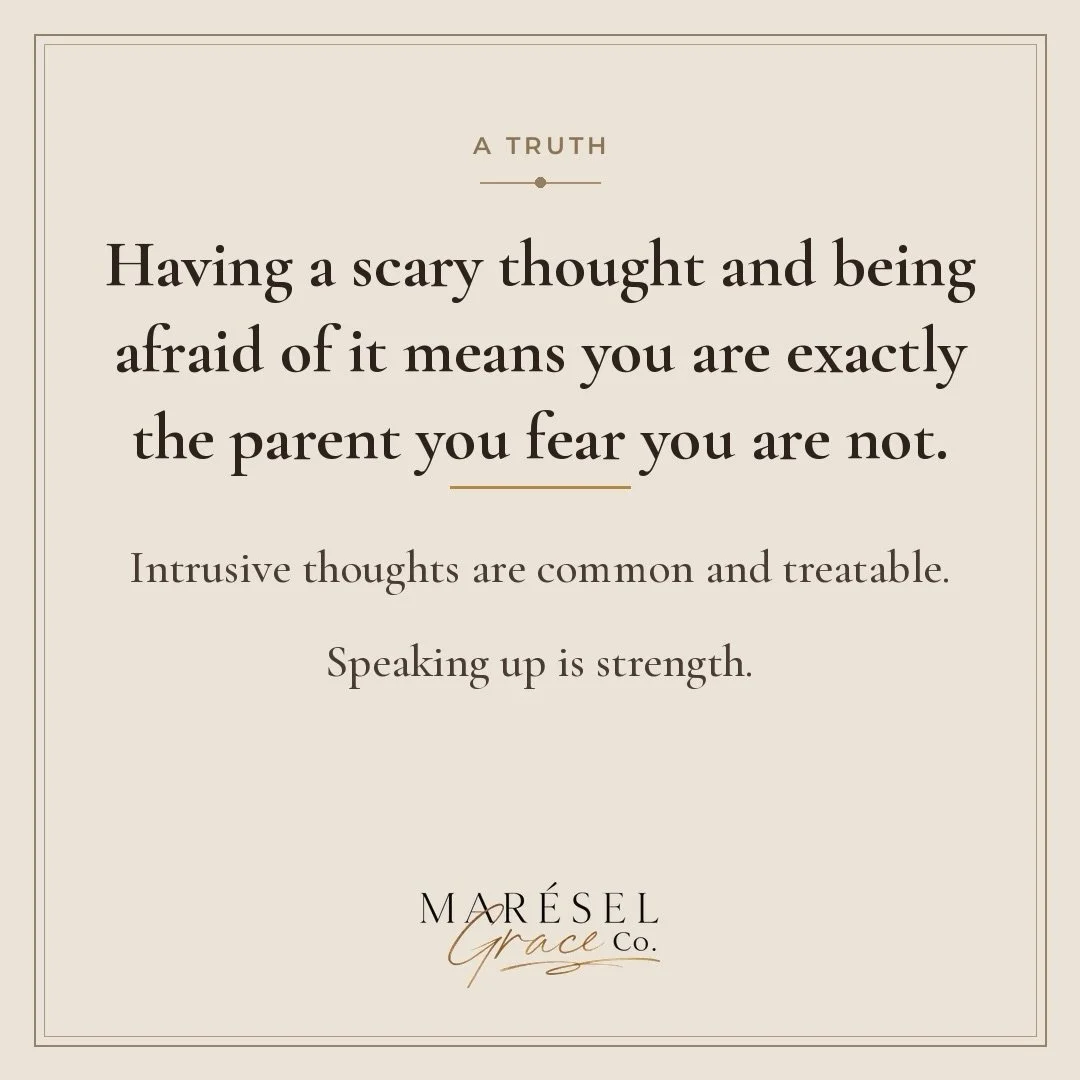
Reach out to a provider if you notice sadness or anxiety that feels constant, thoughts that scare you, trouble sleeping even when the baby sleeps, or a sense of hopelessness. You can call or text the Postpartum Support International HelpLine at 1.800.944.4773, any day, in English or Spanish. Asking for help is one of the strongest things a mother can do.
The Grief No One Prepares You For
Let’s talk about the part that feels almost forbidden to say out loud: the grief. Alongside the love, which is real and enormous, there is often a quiet mourning. You might grieve your freedom, your spontaneity, your body, your career rhythm, your relationship as it was, even the version of yourself who could leave the house without a second thought.
This grief does not mean you regret your baby. Two things can be true at once: you can be endlessly grateful for your child and heartbroken for the life you set down to have them. Psychologists have a name for holding two opposing feelings at the same time, ambivalence, and in matrescence, it is not a red flag. It is the default emotional weather.
When we don’t give that grief room to breathe, it often turns inward and becomes guilt: What’s wrong with me? Why can’t I just be happy? But when we let ourselves name the loss honestly, something shifts. The grief becomes a doorway rather than a wall, a sign that you loved your old life, and that you’re capable of loving this new one just as fiercely, once you’ve had time to arrive in it.
How Matrescence Changes Your Relationships
Becoming a mother doesn’t just reshape you, it reshapes every relationship around you. Your partnership is renegotiating itself in real time under sleep deprivation and stress. Friendships shift, especially with people who aren’t in this season. Your relationship with your own mother can resurface old feelings, both tender and complicated.
This is normal, too. You’re not “drifting” because you’ve failed at connection, you’re reorganizing your entire life around a person who didn’t exist a year ago. Give the people who love you a little grace, and ask for grace in return. The relationships worth keeping will stretch to make room for who you’re becoming.
5 Gentle Ways to Feel Like Yourself Again
You don’t have to “bounce back” to who you were. The goal is to gently integrate the woman you were with the mother you’re becoming. Start small:
- Name it out loud. Say “I’m in matrescence” to your partner or a friend. Naming the season turns confusing feelings into something shared and survivable.
- Reclaim one tiny ritual. Not a spa day, a five minute one. Your morning tea while it’s still hot. A song you love. One thread back to yourself.
- Journal the grief and the love together. Write one line each night. You’re allowed to miss your old life and adore your baby in the same breath.
- Find women who tell the truth. Curate your feed and your circle toward honesty, not highlight reels. You need mirrors, not filters.
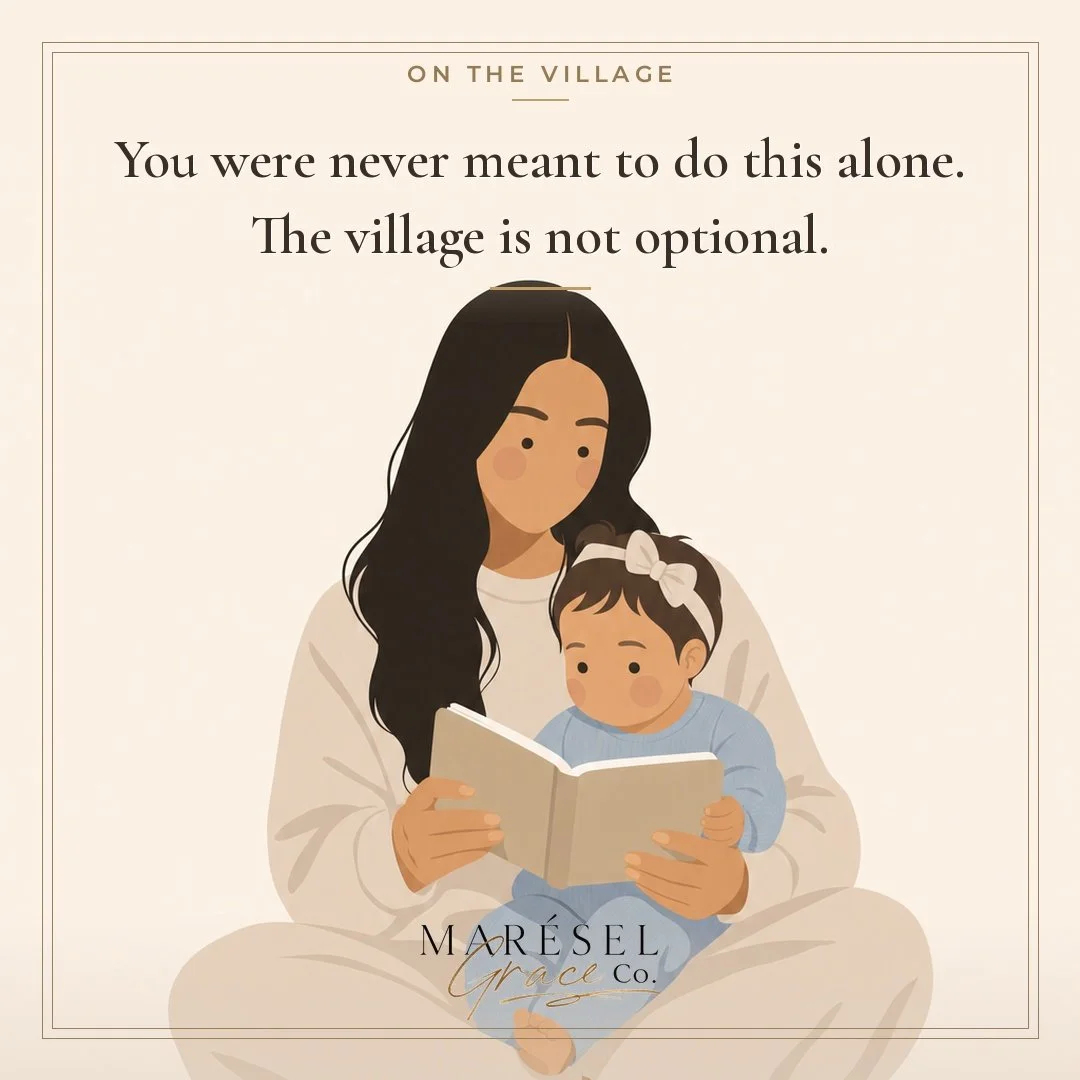
- Ask for real support. Whether that’s a coach, a therapist, or a partner who takes the 5 a.m. shift, you were never meant to do this alone.
A gentle reminder
Coaching is not therapy. If you are struggling with your mental health, please connect with a licensed provider. Coaching walks alongside that care, helping you reflect, reset, and rediscover yourself in this new season of motherhood.
You Are Being Born, Too
The woman you were isn’t gone. She’s being folded into someone with more depth, more fierceness, more tenderness than she knew she had. Matrescence is not the end of you. It’s the beginning of the mother, and the fuller woman, you’re still meeting.
Be patient with her. She’s doing something extraordinary.
You Are Allowed to Be More Than a Mother
Somewhere along the way, many of us absorbed the idea that a “good” mother pours herself out completely, leaving nothing for anyone or anything else, including herself. But you are not less of a mother for still being a whole person. Your ambitions, your friendships, your creativity, your need for rest and beauty and quiet, none of that competes with your love for your child. It’s part of what makes you you, the very self your child will one day be proud to know.
Keeping a thread of your old self alive isn’t selfish; it’s how you stay resourced enough to give. A mother who has tended to her own soul has more to offer, not less. Guard the small things that make you feel like yourself, not because you owe anyone productivity, but because you deserve to remain a person even as you become a parent.
The Woman You’re Becoming
Here’s the quiet promise on the other side of matrescence: it does soften. The disorientation that feels permanent right now is actually a passage, not a destination. Slowly, the two versions of you, the woman you were and the mother you are, stop feeling like rivals and start to merge into someone new. Someone with deeper capacity, fiercer love, and a strength you didn’t know you had.
You will laugh again in a way that feels like you. You’ll rediscover pieces of yourself you thought were gone and find they’ve simply been waiting. And one day, without noticing the exact moment it happened, you’ll realize you don’t feel lost anymore. You feel found, expanded into a version of yourself you couldn’t have imagined before. Be patient with the in between season. The woman you’re becoming is worth the wait.