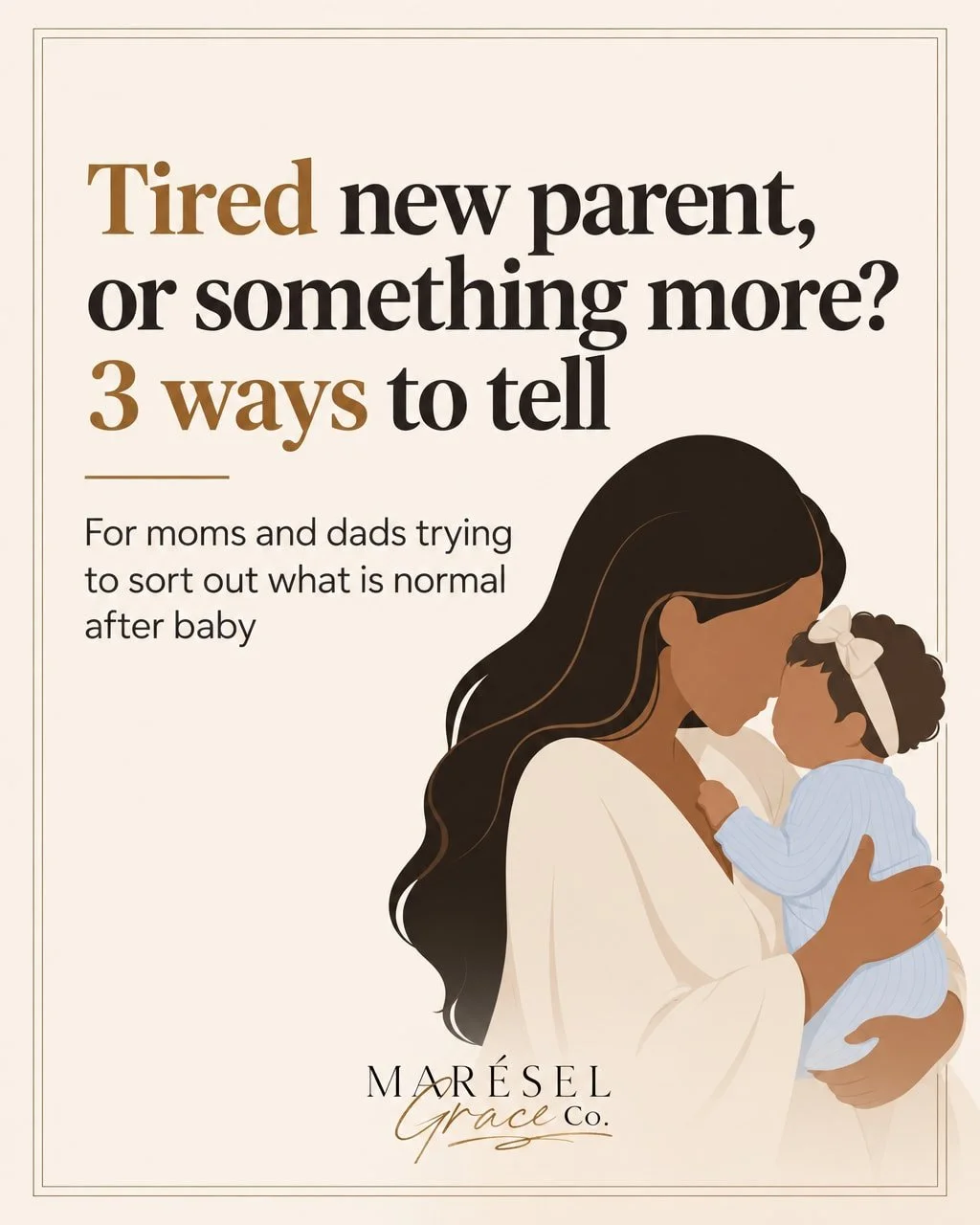
Can You Have Postpartum Depression Without Feeling Sad?
Postpartum · Mental Health
Can You Have Postpartum Depression Without Feeling Sad?
Depression does not always cry. Sometimes it goes quiet, sometimes it gets angry, and sometimes it just goes numb.
When most people picture postpartum depression, they imagine a new mom crying all the time, unable to get out of bed. That picture is real for some parents. For many others, postpartum depression looks nothing like that. It can look like irritability, numbness, constant worry, exhaustion that sleep doesn't fix, or a quiet sense of being cut off from everything. If you have been telling yourself "I can't be depressed, I'm not even sad," this post is for you.
One of the reasons postpartum depression goes unrecognized so often is that it doesn't always match the stereotype. Parents who don't feel sad may assume they are just tired, stressed or "bad at this." Their providers may miss it too, especially if the parent seems to be functioning.
Yes, you can have postpartum depression without feeling sad. Understanding the other ways it shows up can help you recognize it in yourself or someone you love, and get support sooner.
What Depression Really Is
Depression is not just sadness. It is a condition that affects mood, thinking, energy, sleep, appetite and how you experience pleasure and connection. Clinically, depression can be diagnosed when someone has either a persistently low mood or a loss of interest and pleasure in things, along with several other symptoms, for at least two weeks.
That "or" is important. You can have depression with very little sadness at all, if what you mainly feel is a loss of interest, joy or motivation.
Ways Postpartum Depression Can Show Up Without Sadness
Numbness
Many parents describe feeling flat, empty or "like a robot." You go through the motions of feeding, changing and soothing your baby, but you don't feel much of anything. Things that used to bring you joy don't. This emotional numbness can be deeply unsettling, especially when you expected to feel overwhelming love.
Irritability and anger
Snapping at your partner, feeling rage over small things or having a very short fuse can all be signs of postpartum depression. Anger is often an overlooked symptom, particularly in fathers and non-birthing partners, but it is common in mothers too.
Anxiety
Constant worry, racing thoughts, a sense of dread or physical tension often go hand in hand with postpartum depression. Some parents feel far more anxious than sad.
Exhaustion beyond new-baby tired
Every new parent is tired. Depression-related exhaustion is different. It is a heavy, bone-deep fatigue that doesn't lift even after you get some sleep. Everyday tasks feel like they take enormous effort.
Trouble concentrating
You might feel foggy, forgetful or unable to make decisions. Simple choices, like what to eat for lunch, can feel overwhelming.
Feeling disconnected from your baby
Some parents with postpartum depression feel like they are caring for someone else's baby, or like they don't have the bond they expected. This can bring intense guilt, which often keeps parents from telling anyone.
Losing interest in things you used to love
Hobbies, friends, music, food and time with your partner may all feel dull or pointless.
Physical symptoms
Headaches, stomachaches, muscle aches and changes in appetite can all be part of depression. So can sleeping much more or much less than usual, beyond what the baby's schedule explains.
Withdrawal
You might stop replying to texts, avoid visitors, skip plans or feel like you need to hide from people. Pulling away is a common sign that something is wrong.
Feeling worthless or like a failure
Instead of sadness, you might carry a constant sense that you are not good enough, that you are failing your baby, or that your family would be better off with someone else.
Why These Symptoms Get Missed
There are a few reasons postpartum depression without sadness often slips under the radar:
- The stereotype. When depression doesn't look like tears, parents and providers may not connect the dots.
- Overlap with new-parent life. Exhaustion, trouble concentrating and appetite changes are easy to blame on the baby.
- Functioning well on the outside. Many parents with depression still go to work, keep the house running and care for their kids. High-functioning depression is still depression.
- Shame. Admitting you feel numb toward your baby or angry all the time can feel impossible.
- Screening gaps. Postpartum screening often happens only at the six-week visit, and not everyone is screened at all. Partners are rarely screened.
Questions to Ask Yourself
If you are wondering whether you might be dealing with postpartum depression, try asking yourself:
- Do I feel like myself most days?
- Can I still enjoy things, even small ones?
- Am I more irritable or angry than usual?
- Do I feel numb, empty or disconnected?
- Am I able to sleep when I have the chance?
- Have I pulled away from people I care about?
- Do I feel hopeless about things getting better?
- Have these feelings lasted more than two weeks?
If you answered yes to several of these, it is worth talking to a provider. You don't need to be certain it is depression before you reach out.
If you are having dark thoughts
If you are having thoughts that your family would be better off without you, thoughts of harming yourself, or thoughts of harming your baby, please reach out right away. Call or text 988, call the National Maternal Mental Health Hotline at 1-833-852-6262, or call 911. These thoughts are symptoms of an illness, and help works.
Postpartum Depression in Partners
Non-birthing parents can also experience postpartum depression, and in partners it often shows up without obvious sadness. Common signs include irritability, working longer hours, withdrawing, drinking more, physical complaints and feeling detached. Research suggests about 1 in 10 fathers experience depression in the year after a baby is born.
If you are a partner and any of this sounds familiar, you deserve support too.
What Helps
The good news is that postpartum depression is very treatable, whether or not sadness is part of it.
Talk to a professional
A therapist, your OB or midwife, or your primary care provider can help you figure out what is going on. Tell them all of your symptoms, not just your mood. Mention numbness, anger, anxiety, exhaustion and disconnection. Those details help them see the full picture.
Therapy
Approaches like cognitive behavioral therapy and interpersonal therapy are effective for postpartum depression. Therapy can help you understand what you are feeling, build coping tools and reconnect with yourself and your baby.
Medication
For some parents, medication is an important part of treatment. Many options are considered compatible with breastfeeding. Your provider can talk through the benefits and risks with you.
Rest and practical support
Protecting sleep, getting help with household tasks and having time to yourself all support recovery. Coaching can help you put practical support in place and plan for the week ahead.
Connection
Talking with other parents who have been through it, whether in a support group or with a friend, can ease the isolation that depression brings.
For Partners and Loved Ones
If someone you love seems flat, irritable, withdrawn or not like themselves, try not to wait for tears to take it seriously. You might say, "You haven't seemed like yourself lately. I'm not upset, I'm just worried about you. How are you really doing?" Offer to help them find support, and be patient if they aren't ready to talk right away.
You Deserve to Feel Like Yourself Again
If you have been living with numbness, anger or exhaustion and telling yourself it can't be depression because you're not sad, I hope this helps you see your experience differently. What you are feeling is real, it has a name, and it can get better.
At Marésel Grace, we support parents experiencing all kinds of postpartum struggles. Therapy is available for Massachusetts residents, and coaching is available anywhere in the US.
Not Feeling Like Yourself?
Book a consultation and let's talk about what you've been noticing. You don't need to know what it is before you reach out.
Book a Consultation